基本概念:
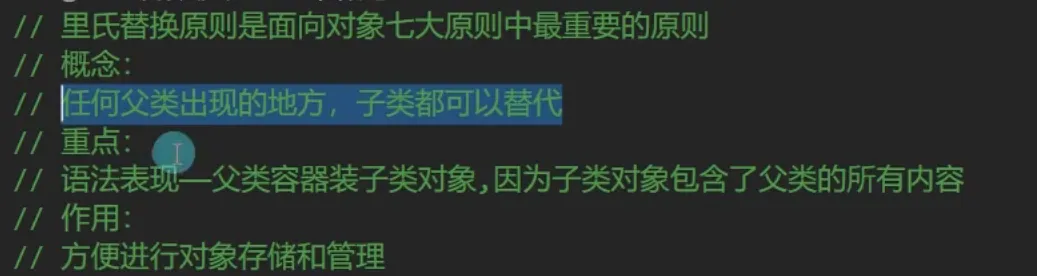
使用:
    class Gameobject
    {
    }
    class Player :Gameobject
    {
               public void Attk()
        {

        }
    }
    class Master : Gameobject
    {
                public void Attk()
        {

        }
    }
    class Boss : Gameobject
    {
                 public void Attk()
        {

        }
    }
    internal class Program
    {
        static void Main(string[] args)
        {
            Gameobject master = new Master();

        }
    }
但有个问题,我在用的时候没法用master.Attk("攻击") 因为master是属于Gameobject的
于是就有了is 和as;
is和as:
概念:
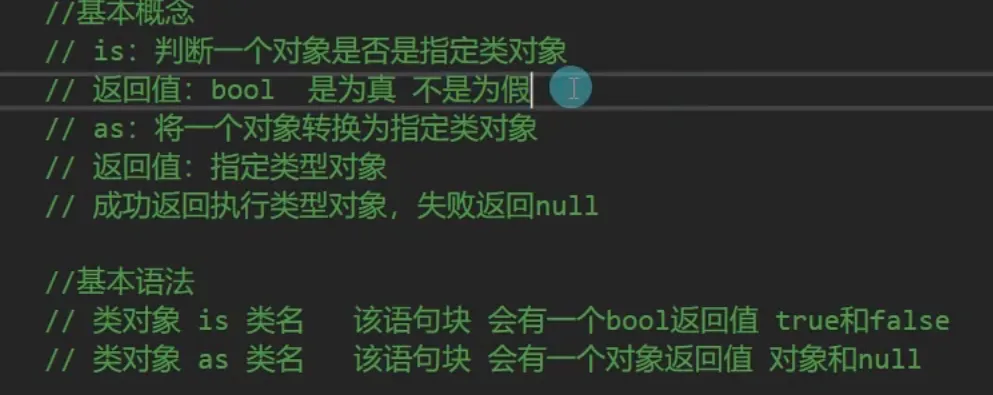
使用:
    static void Main(string[] args)
    {
        Gameobject master = new Master();
        if (master is Master) //判断是不是这个类型的
        {
            Master m = new Master();//转化类型
            m = master as Master;
            master.Attk()
        }

    }
还有更简单的写法,不用中间值 m,直接(master as Master).Attk()
看起来我们不需要判定,因为我们一眼就看出来,是不是这个类的,但
           Gameobject[] objs = { new Player(), new Master(), new Boss() };
            for (int i = 0; i < objs.Length; i++)
            {
                if (objs[i] is Master)
                {
                    (objs[i] as Master).Attk();
                }
                else if(...)
                {
                    ...
                }
                ...
            }
在数组里数量多了就不好看出来,节省时间就可以用判断.
总结:
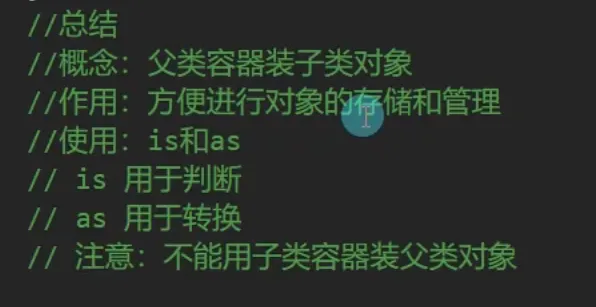
练习:
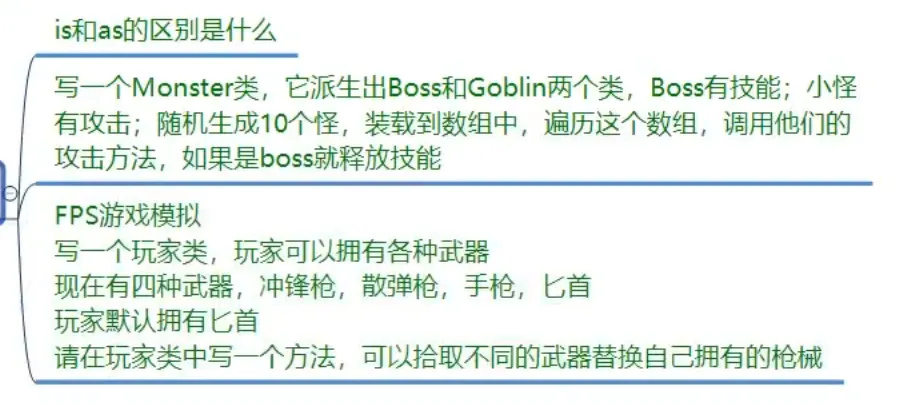
题目二using System;
using System.Collections.Generic;
using System.Linq;
using System.Text;
using System.Threading.Tasks;

namespace 继承
{
    class Master
    {
        public void Attk() { }
    }
    class Boss : Master
    {
        public void Skill()
        { }
    }
    class Goblin : Master
    {


    }
    internal class Program
    {
        static void Main(string[] args)
        {

            Master[] master = new Master[10];

            for (int i = 0; i < master.Length; i++)
            {
                Random r = new Random();
                int num = r.Next(0, 2);
                if (num == 0)
                {
                    master[i] = new Boss();
                }
                else
                {
                    master[i] = new Goblin();
                }
            }
            for (int i = 0; i > master.Length; i++)
            {
                if (master[i] is Boss)
                {
                    (master[i] as Boss).Skill();

                }
                else
                {
                    (master[i] as Goblin).Attk();
                }
            }
        }
    }
}
概念:
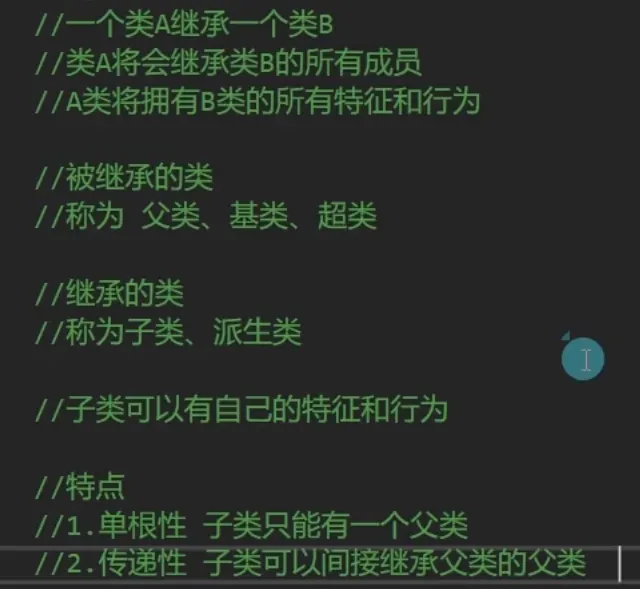
语法:
    class Teacher //父类,基类
    {
        public string name;
        public int number;
        public void SpeakName()
        {
        }
    }
    class TeachingTeacher : Teacher
    {
        public string sbject; //子类,派生类有自己的成员
        public void SeakSubject()
        {
        }
    }
        internal class Program
    {
        static void Main(string[] args)
        {
            TeachingTeacher tt = new TeachingTeacher();
            tt.number = 1;
            tt.name = "Leemoon";
        }
    }
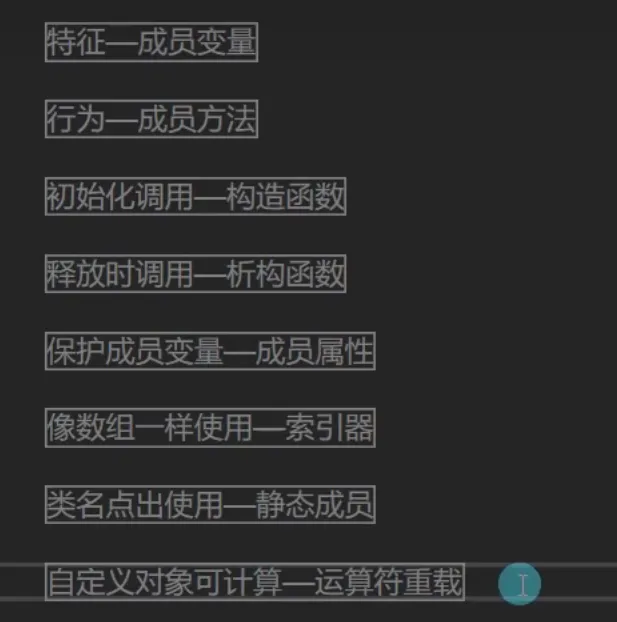
回顾:
内部类:
概念:
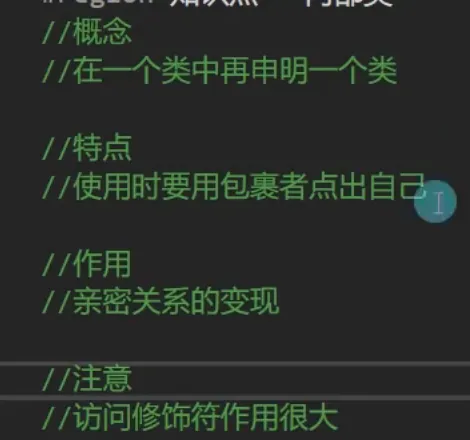
使用:
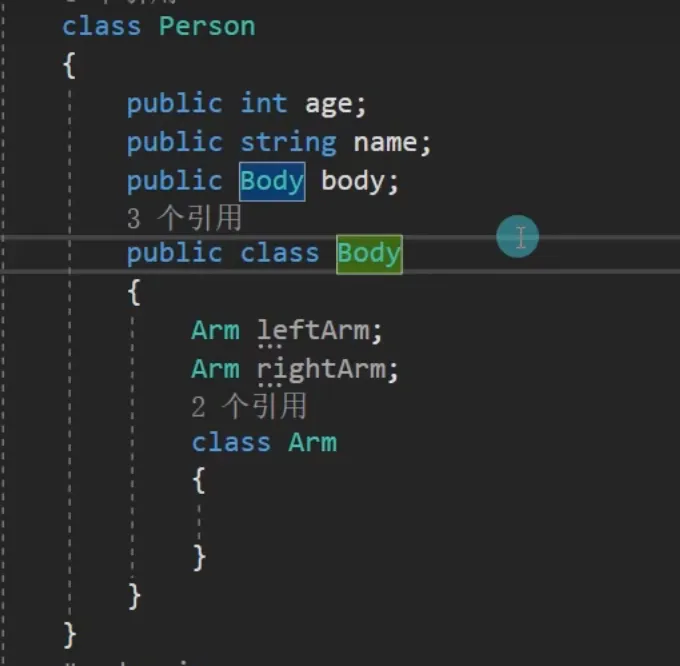
使用要点出来:
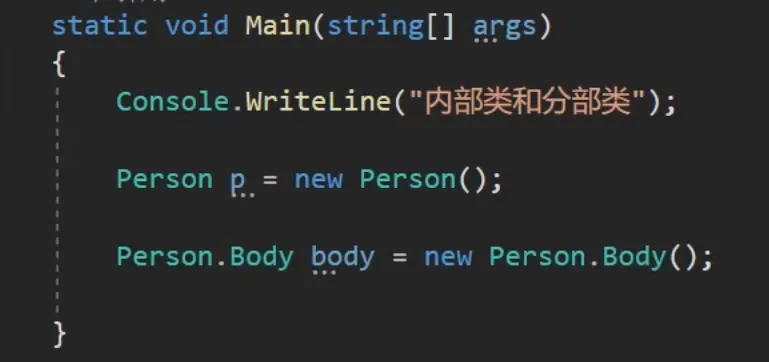
分部类:
概念:
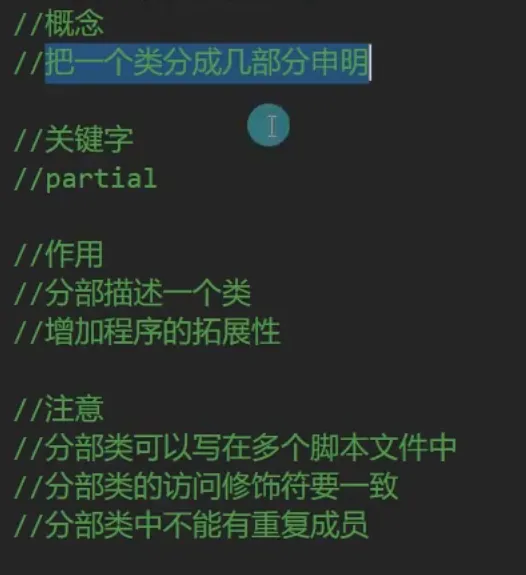
使用:
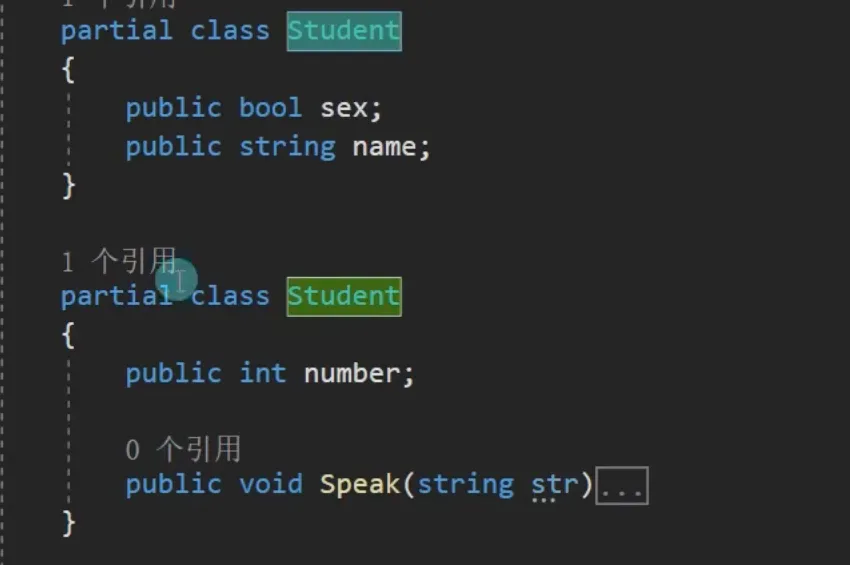 一个类分成两部分来写.
分部方法:
概念:
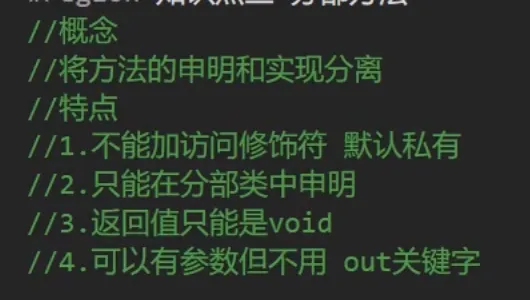
使用:
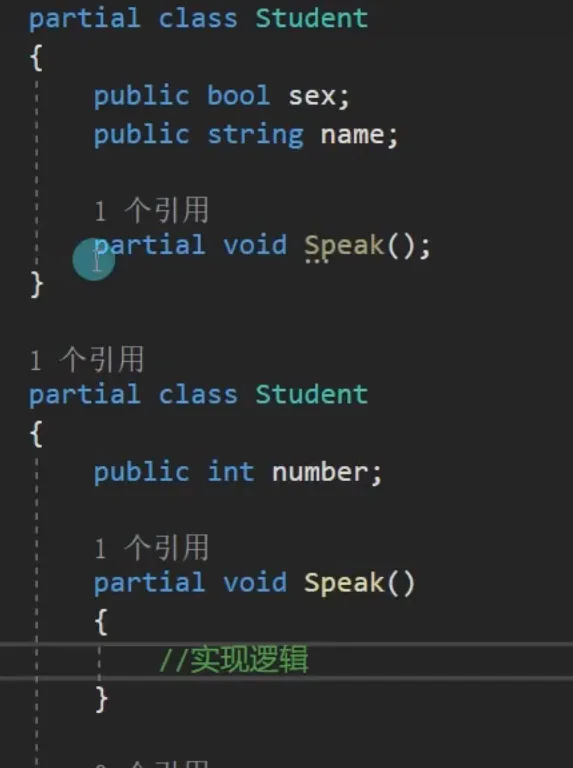
只能在分部类里面呢用,说简单点就是方法的声明和使用,分到两个分部类里面罢了.前面要加关键字,必须没有返回值.没有out和ref.
概念:
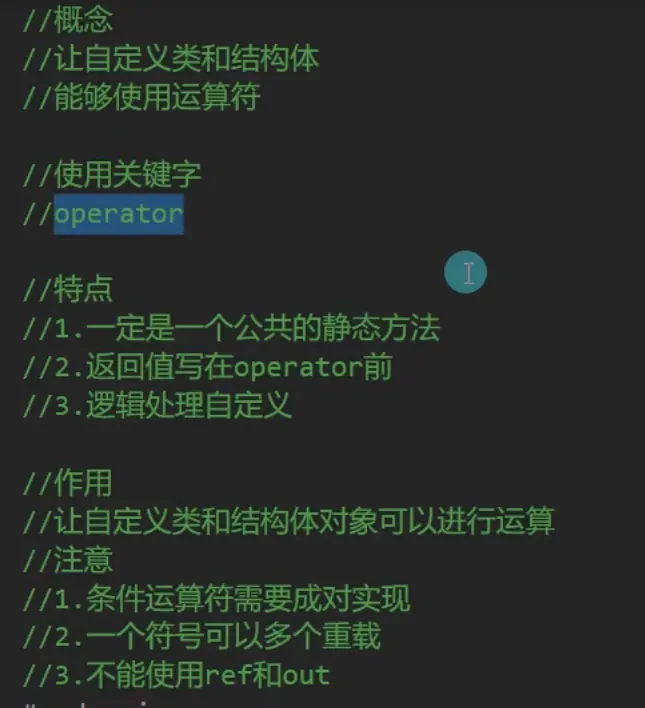
语法:

使用:
class Point
{

        public int x;
        public int y;
        public static Point operator +(Point p1, Point p2)//可以让+重载运算.
        {
            Point p = new Point();
            p.x = p1.x + p2.x;
            p.y = p1.y + p2.y;
            return p;
        }//不重载运算符,下面就不能直接运算.


                   Point p1 = new Point();
           p1.x = 1;
           p1.y = 2;
           Point p2 = new Point();
           p2.x = 2;
           p2.y = 3;
           Point p3 = new Point();
           p3 = p1+p2;
重载必须和静态类相关,至少一个:
    class Point
    {

        public int x;
        public int y;
        public static Point operator +(int p1, Point p2)//第二个参数和类是一样的
        {
            Point p = new Point();
            p.x = p1.x + p2.x;
            p.y = p1.y + p2.y;
            return p;
        }
看起来就像一个和名字是"+"的函数一样
使用顺序位置要对:
           Point p1 = new Point();
           p1.x = 1;
           p1.y = 2;
           Point p2 = new Point();
           p2.x = 2;
           p2.y = 3;
           Point p3 = new Point();
           p3 = p1+2;            //写反了,上面参数是先int后Point.会直接报错
从上面总结来看,参数不一样,也可以重载.
参数数量要看运算符要求:
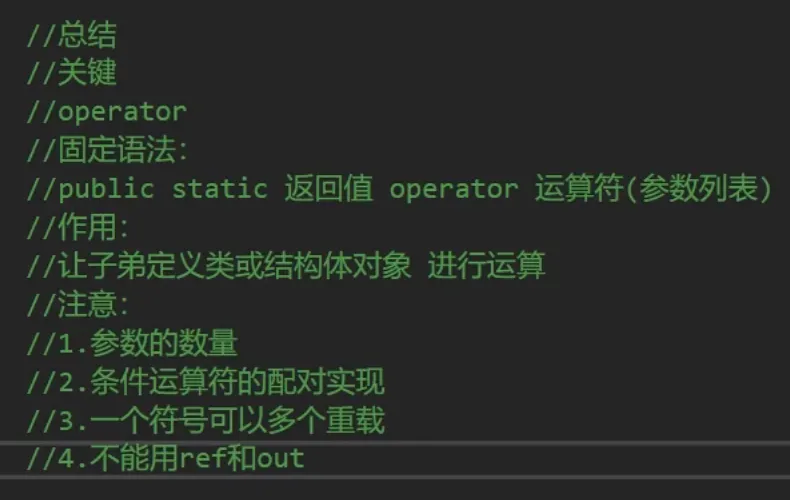
p3=p1+p2+2 其实是先算的p1+p2,和在+2.没有连加的说法.
可重载的运算符太多,我们讲不可重载:
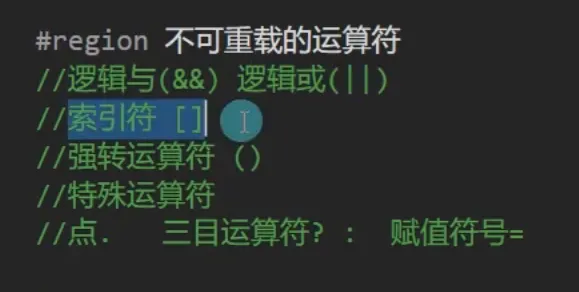 有个重点,条件运算符重载必须要成对出现,比如有
<就要有>,有==就会有!=
总结:
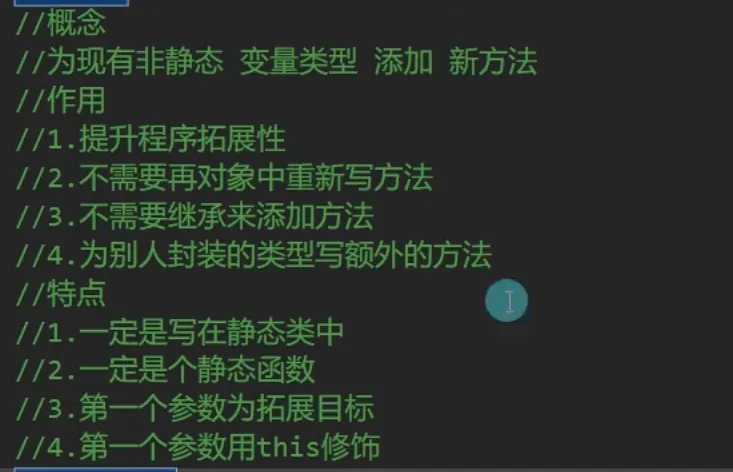
基本概念:
相关信息
注意是为非静态类方法,拓展.静态类无法拓展.
语法:

    static class  Tools
    {
        //为int拓展了一个成员方法
        //成员方法需要实例化
        //实例化的成员是value
        public static void SpeakValue (this int value)
        {
            //拓展逻辑
            Console.WriteLine("为int拓展方法"+value);
        }
    }
int本身是一个叫int32的结构体.
使用:
int t = 0;
t.SpeakValue();
输出结果:

相关信息
如果拓展方法和原本的方法重名,就会先调用原本的方法.